 Old houses share their secretsonly if they survive.
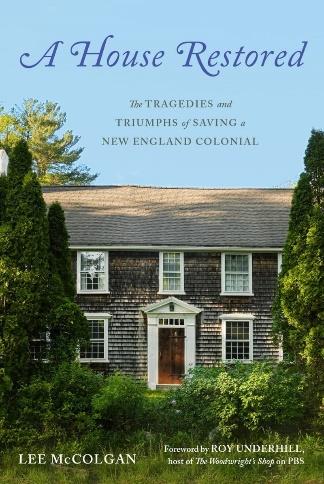
Join author Lee McColgan for a free lecture and book signing during which he will share his renovation tales of the Loring House as detailed in his new book, A House Restored. Details here.
On Melville’s Linguistics, May 29
Lecture by Wren Wood demonstrating how we can hear, through linguistics, Melville’s dialect in samples of his work, even without audio recording.
Details here. Use the BOOK NOW button to purchase tickets.
Bird Walk with Ben Nickley, June 2
Join us for a bird walk led by Ben Nickley, Director of Berkshire Bird Observatory.
Details here. Use the BOOK NOW button to purchase tickets.
Sailing Towards My Father, June 26
 A one-man play about Herman Melville performed by Stephen Collins and written and directed by Carl A. Rossi. The play chronicles Melville’s life from youth to old age.
Details here. Use the BOOK NOW button to purchase tickets.
Sea Shanties with Alex Harvey and ShinBone Alley, July 24
Celebrate the haunting intercultural exchange of 18th and 19th century maritime music. The grounds are open for picnicking this evening.
Details here. Use the BOOK NOW button to purchase tickets.
Poor Herman, July 26 – August 3
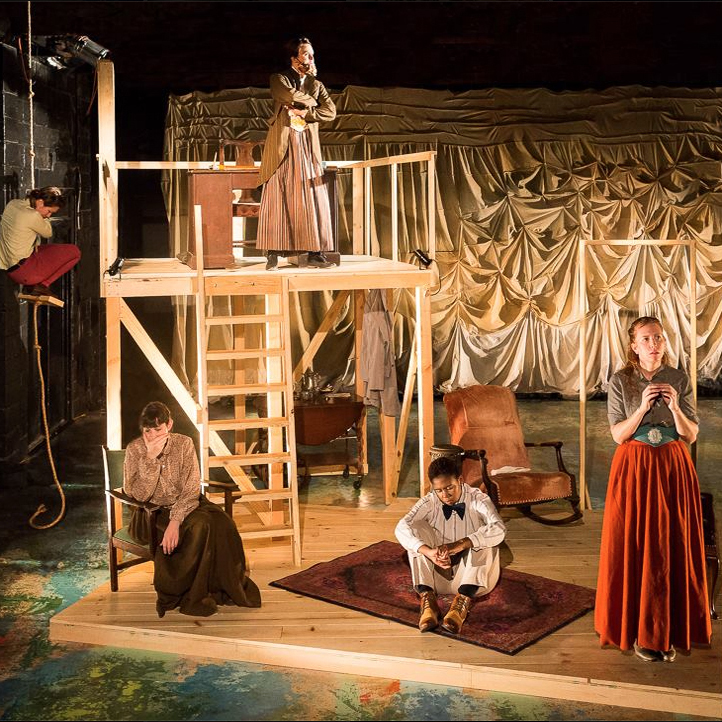 Herman Melville’s great-great-great granddaughter, Austin playwright Elizabeth Doss, uses the author as a subject to speculate on the line between utter genius and epic failure in us all.
Details here. Use the BOOK NOW button to purchase tickets.
Eighth Annual Moby-Dick Read-a-thon, August 1 – 4
Call me Ishmael and sign up to read part of Melville’s masterpiece on the site where it was written. Details here.
Use the BOOK NOW button to register.
Monument Mountain Hike – August 4
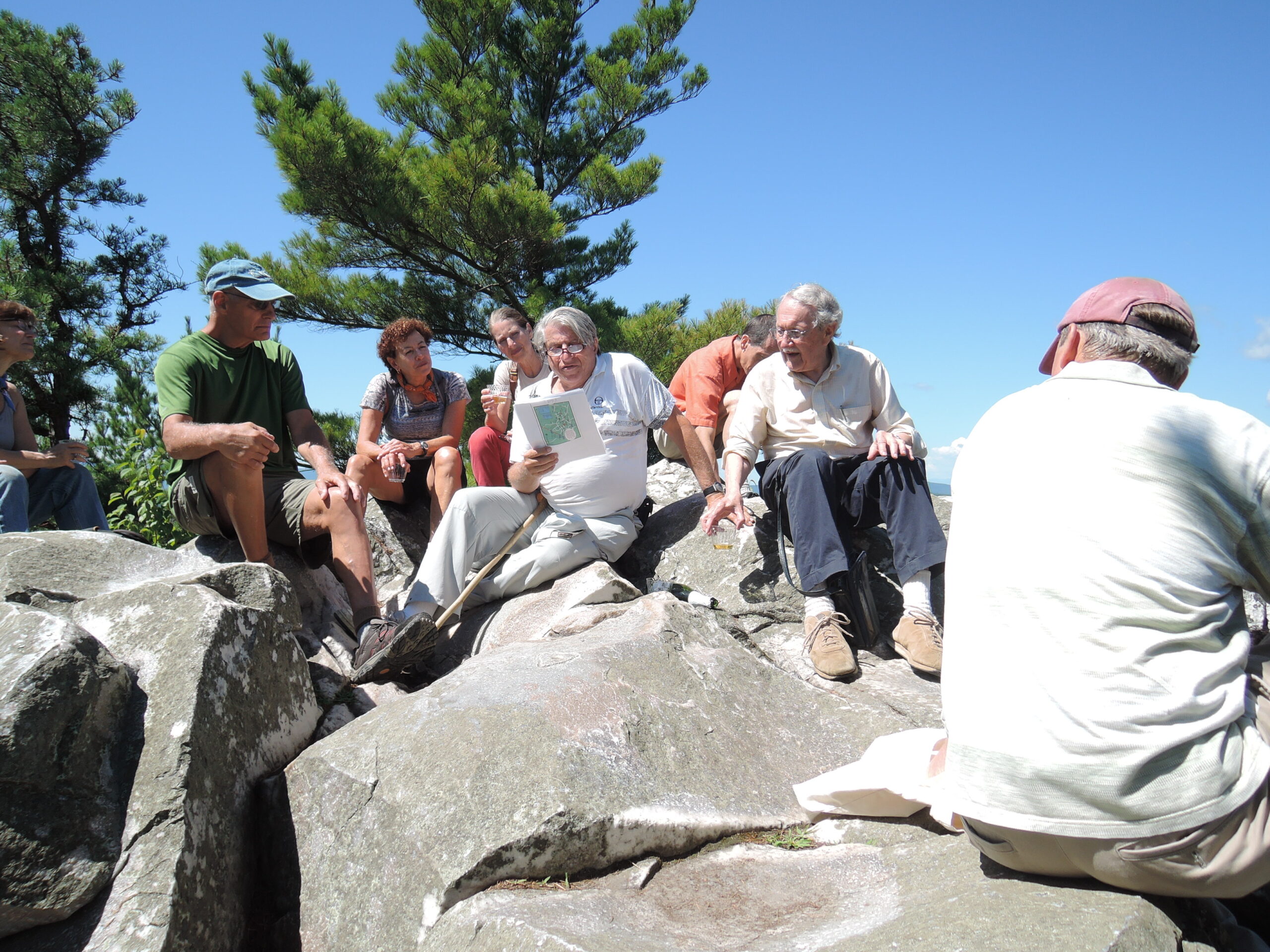 Celebrate the day (August 5, 1850) Melville met Nathaniel Hawthorne on a walk up Monument Mountain by joining BCHS for a similar hike. Details here.
BCHS in Pittsfield Public Schools
Read this great article in The Berkshire Eagle about how arts are integrated into Pittsfield public schools. This arts integration program is just one of many school-based programs BCHS participates in.
2024 Officers and New Directors
Welcome to our new board members
Heather Archibald
Matthew Brogan
Linda Cantoni
Michael Dell’Aquila
Cornelius Hoss
Sarah Trudgeon
Jenna Ware
and 2024 officers
John Hamilton. President
Cynthia Farr Brown. Vice President
Robert Salerno, Treasurer
Sharon Coe, Secretary
See a complete list of BCHS’s 2024 Board of directors.